


Welcome to Sleep Part 2. If you haven’t done so already, it might be a good idea to check out Part 1, to remind yourself what a lack of sleep does to us and why it’s so important to try and get our sleep back on track; especially when we are navigating trauma or anxiety. You may also find some inspiration to transform your sleep through simple tweaks to your environment which are the foundational step in creating your sleep space in which to conduct your sleep routine.
In part 2 of Sleep, we are looking at routines and habits we can adopt to help our circadian rhythm (the body's internal 24-hour clock that regulates cycles of sleep, wakefulness, and other physical, mental, and behavioural changes) settle back into a sense of normality.
A sleep routine can feel really off putting – it can sound rigid, limiting or even infantile, making us think of babies, or our own childhood routines. Yet, routines do not need to be strict and adhere to specific timelines. You probably have a routine without realising it; a routine is after all, just a sequence of actions that we follow regularly. However, some tweaks or additions to your routine may well help you towards some restful sleep.

Take the Pressure off
Initially, your goal is to be getting rest not sleep, so for the duration of the post we will be referring to a Rest Routine rather than a Sleep Routine.
See your rest routine as creating safety for your body and mind, sleep if it happens will be a bonus. You’ll find that setting the intention to rest not sleep, may allow sleep to come easier – a bit of reverse psychology can come into play here!
- Soothe yourself with affirmations e.g. "It’s okay if I don’t sleep; my body is learning how to feel safe again"
- Direct your focus on rest not sleep — performance anxiety about sleep can re-activate your nervous system into hyperarousal.
- Focus on your senses noticing how comfortable and cozy you can feel in bed
Developing a Consistent Rest Routine
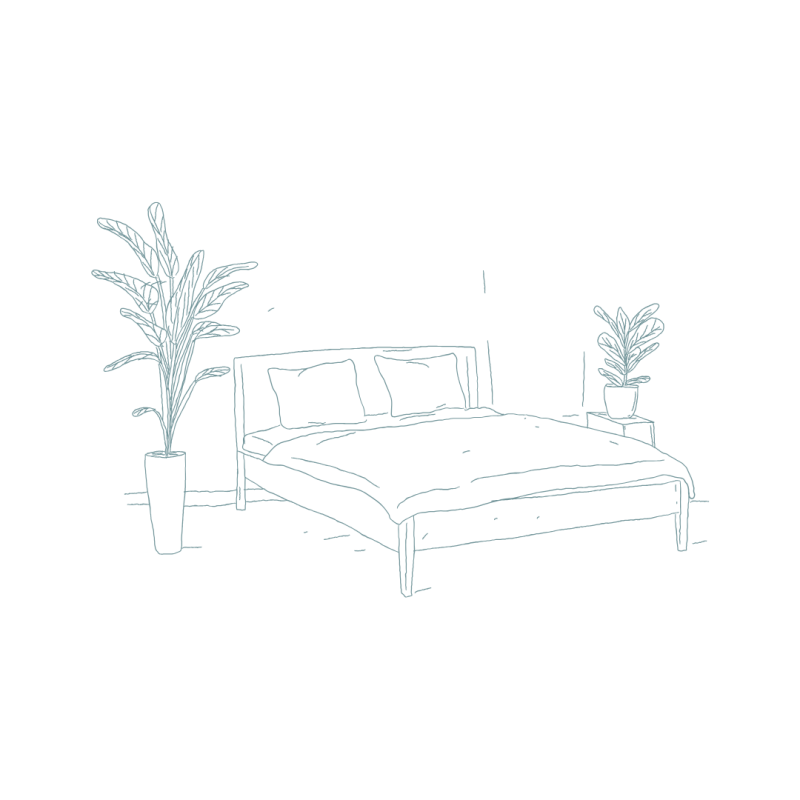
One of the reasons babies and young children respond so well to bedtime routines is because routines create predictability, and predictability helps us feel safe. Following the same actions in the same order also sends cues to our nervous system that it is time for sleep, allowing us to move closer towards or even into, our nervous system
When your body doesn’t feel safe and is hyperaroused (Fight/flight) with a mind that is time travelling (back to the past and reliving trauma, or spiralling into the future with ‘what ifs’) a safe predictable routine will support you to come back to the present moment and find some peace.
Going to bed and getting up at the same time each day will support your circadian rhythm and help you develop a firmer sleep cycle. After a wakeful night it can feel tempting to stay in bed and lay in or take long afternoon naps but long term, this can disrupt your cycles more intensely and for a longer period of time.

- Aim to stick to your same routine, no matter what time you fell asleep or woke in the night. Pick a bedtime window which will give you approximately 8- 10 hours rest/sleep; so if you are up at 6 am ideally you want to be in your bed between 8-10 pm to give your body enough rest
- If you do need to take a nap in the daytime, take a power nap (a short sleep, typically 10 to 30 minutes long) to boost your alertness and energy without causing that cloudy ‘groggy’ feeling of waking up after a deep sleep. Remember to set a timer!
- Choose some activities from the different components below to create your Rest Routine and consistently do them in the same order
Reset your Circadian rhythm

- As soon as you get up, if you have access to an outside space, go and place your hands on the earth/grass/mud and look to the lightest part of the sky (if you don’t have access to the outside, open a window). Stay for 4 full inhale and exhales to help ground you and activate your circadian rhythm through light and the earth’s energy. You could also consider using a SAD lamp to the same effect
- Limit blue light from screens for at least 60 minutes before bed. If needed you can cheaply purchase blue light blocking glasses or use a red light filter app such as Twighlight.
Mental Components of a Rest Routine

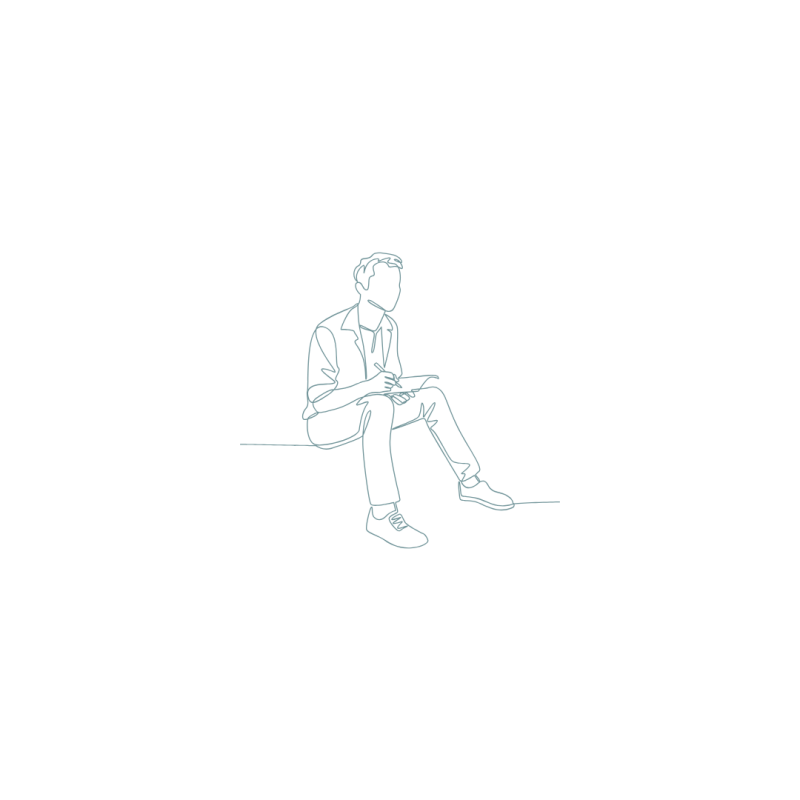
Attempt to actively de-stress in the winddown to bed using tools we have covered early on in the series: breathwork, grounding, progressive muscle relaxation, yoga nidra and mindfulness.
- Practice gratitude. Identify three positive things that have happened that day that you can feel thankful for. There is no right and wrong and in the aftermath of a great loss or trauma it may be simple acts such as getting out of bed, brushing your teeth, cooking a nutritious meal etc that you notice.
- Writing these down in a journal can be therapeutic, helping you focus on your progress and providing an anchor point to track how you are progressing. I’m personally enjoying the Positive Planner which I picked up for half price in TKMAXX last week as it supports you to change your mindset by focusing on gratitude, intentions and self care.
- Journalling each day asking your self questions such as "What felt safe or comforting today?" " What does my body want me to know before sleep?" can help you tune in to what you need.
- Low demand activities with emotionally safe content such as re-reading familiar books or listening to gentle audio books with a soothing voice can help you drift off.
- Using meditations and guided visualisations to support you to find safe relaxation and the potential of sleep
- Repeat affirmations to yourself as you breathe : “It’s safe to rest now” “This is a memory, it is not happening now” “My body can rest while I stay safe”
Emotional Components of a Rest Routine

Alongside the environmental changes you could make which can create a different emotional response to your rest/sleep space, you could consider adding the following comfort items
-a special pillow
-a soft/cosy or weighted blanket
-a comforting teddy
-a photograph of someone who represents safety by your bed or under your pillow
-you could spray these special items and/or your rest/sleep space with the perfume or aftershave of someone who grounds you.
Physical Components of a Rest Routine
Unsurprisingly, the activities that use the body as a pathway to safety make up the largest list.



Drinks & Diet
- Avoid caffeine, alcohol and nicotine if you can as all these stimulate the nervous system and can potentially push you further into hyperarousal and impact your ability to rest and sleep.
- Whilst using alcohol to numb distress and fall asleep quickly can seemingly help in the short term, it can become problematic longer term. Alcohol disrupts normal sleep patterns, creating poor quality rest by reducing the amount of time spent in deep, restorative REM and slow-wave sleep. You are more likely to wake frequently remembering any distressing dreams and wake in the morning feeling unrested.
- Try to eat early, at least 4 hours before bedtime, and avoid rich, spicy or sugary foods, red meat and cheese.
- Some people find a warm milky drink or ‘sleep tea’, a herbal brew designed to support sleep really helpful in their winddown window.
Exercise
Exercise supports your physical, emotional and mental health but it also aids restful sleep. Intense exercise is best left for the day time, giving you the evening to allow your cortisol and adrenaline to lower. Relaxing yoga and stretching can support you to feel safe, grounded and relaxed.
- Try to incorporate regular exercise into your day which can include anything from walking to full on gym sessions; do what you enjoy and what you are realistically able to achieve on low sleep
- Yoga and pilates are great additions as they focus on the breath and support your mind/body connection. See here for links to free trauma informed yoga for trauma
- Try gentle stretching before bed such as this trauma informed 15 Minute Gentle Bedtime Yoga or this calming gentle practice to do in your bed Yoga In Bed For Relaxation And Easeful Sleep
Physical Relaxation
- Taking a warm bath or shower can support your muscles to release the tension they may have been holding all day and to help you ‘wash away the day’.
- Consider applying relaxing smelling body lotions or essential oils to help you connect to your body in a safe and nurturing way. Gentle massaging of your arms and feet can help you feel safe, grounded and trusting in your body. As you rub each body part you can say, “This is my (body part), it belongs to me. It is safe.”
- Try progressive muscle relaxation PMR
- You may like to sit on the edge of your bed and carry out slow rocking motions to help calm your vagus nerve.
What to do if you can’t sleep
- Re-shift your focus onto rest, remind yourself “I’m learning to rest, my body will catch up"
- Get up and repeat your routine until drowsy again
- Remember to celebrate the small wins. Being able to find enough safety in your body to experience even moments of ‘rest’ and relaxtion is huge after experiencing trauma and loss. If you can show yourself compassion you will be able to build on these small wins to start making bigger gains.
So there you have it. Some foundational knowledge and tips to support you to build a Rest Routine that works for you. Remember, it doesn't have to feel controlling, you can find flexibility within the timings so that the structure and predictability offer you safety rather than limitation. I'd encourage you to choose at least one suggestion from each component to create your routine. An example might look like this.

Let me know how you get on and what combinations of components work for you and whether shifting your focus to rest over sleep makes positive changes for you. Our next post will be part 3 of sleep where we will beexploring ways to naivgate nightmares and sleep terrors. Until then, sweet rest.
This post and its images are protected by copyright © Emma Cumberland. Please do not copy or reuse without permission.
Add comment
Comments